3 min read

Bark now on bitcoin mainnet
3 min read
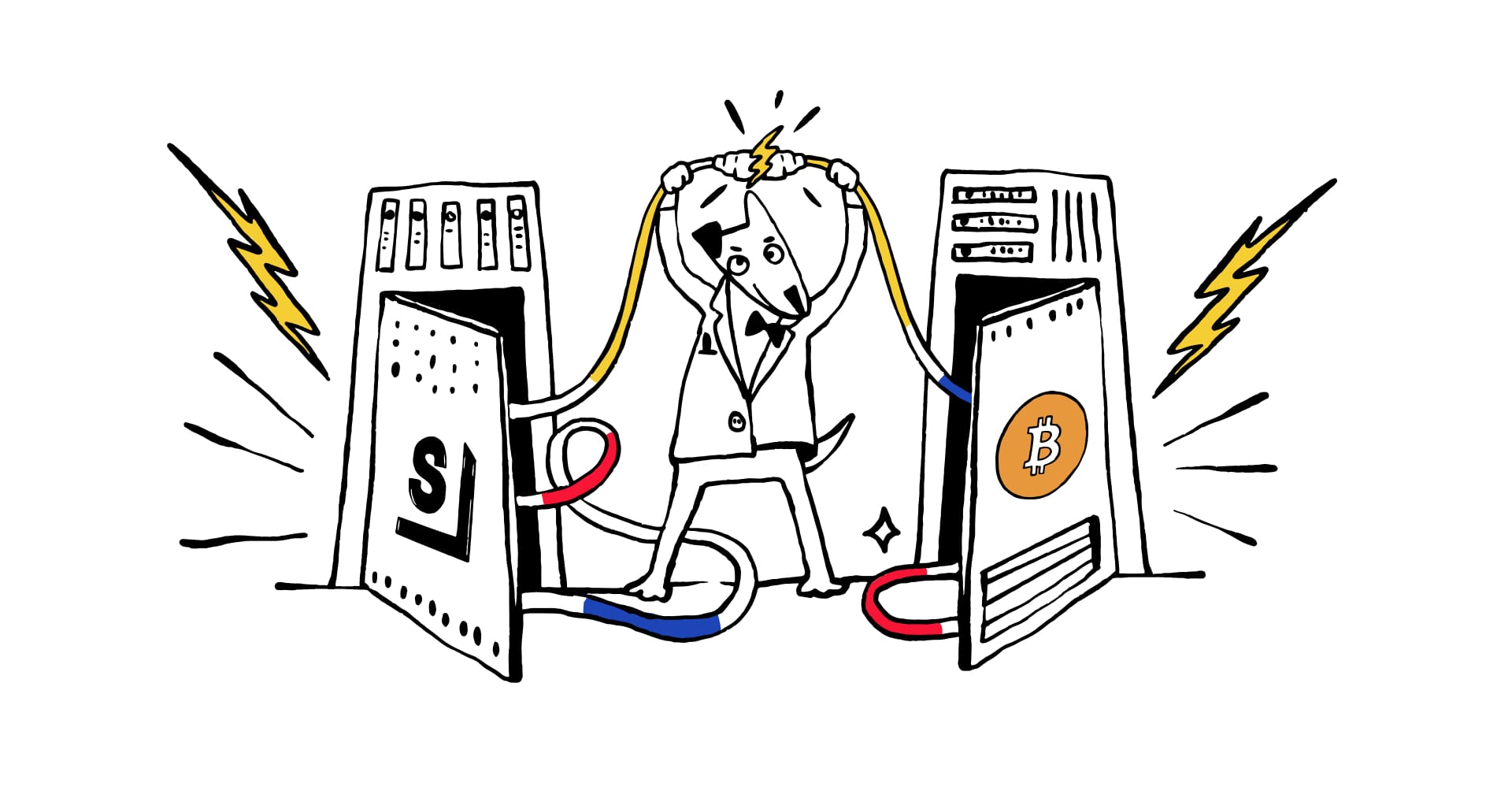
The world needs self-custodial bitcoin. But real self-custody is challenging to achieve without compromising on experience. On-chain UX is slow and expensive and prone to spikes of congestion. Traditional Lightning UX is complicated and error-prone.
The bitcoin industry must close the UX gap to ensure that self-custody is a viable alternative to custodial solutions.
This is why we built Bark, our implementation of the Ark protocol. We wanted to make it ridiculously easy for users to get started with self-custodial bitcoin, hold it, and spend it, without surprise fees, and without having to manage channels or liquidity.
Today, Second’s Ark server is available for anyone to connect to and start making payments. If you’re a developer, you can start building on the Bark SDK or Barkd now. If you’re a user, we already have a number of apps for you to get hands-on right away (see below).
Why Ark
Ark strikes the right UX balance between self-custody and convenience. It’s a client-server protocol, so the server takes care of the hard technical backbone, whether that’s for making Ark, Lightning, or on-chain payments. Client apps are light and users remain in control of their bitcoin, protected from malicious servers via the availability of an emergency exit.
Everything you need to build bitcoin payments
We didn't just want to ship a protocol and wait for the ecosystem to show up. So together with some early partners we built a few things, and made sure they’d be ready from day one. Included alongside today’s mainnet launch:
The Bark SDK
The Bark SDK is a developer toolkit for building self-custodial bitcoin apps. The way we think it should be done—finding the right balance between full self-custody and an uncompromising user experience.
The Bark SDK is incredibly powerful and simple (we mean simple). It handles everything under the hood, while providing fine-grained control for power users.
Ark balances can be sent to Ark, Lightning, and on-chain wallets using all popular payment request mechanisms. Receives across all networks are also handled by a simple BIP-321 URI.
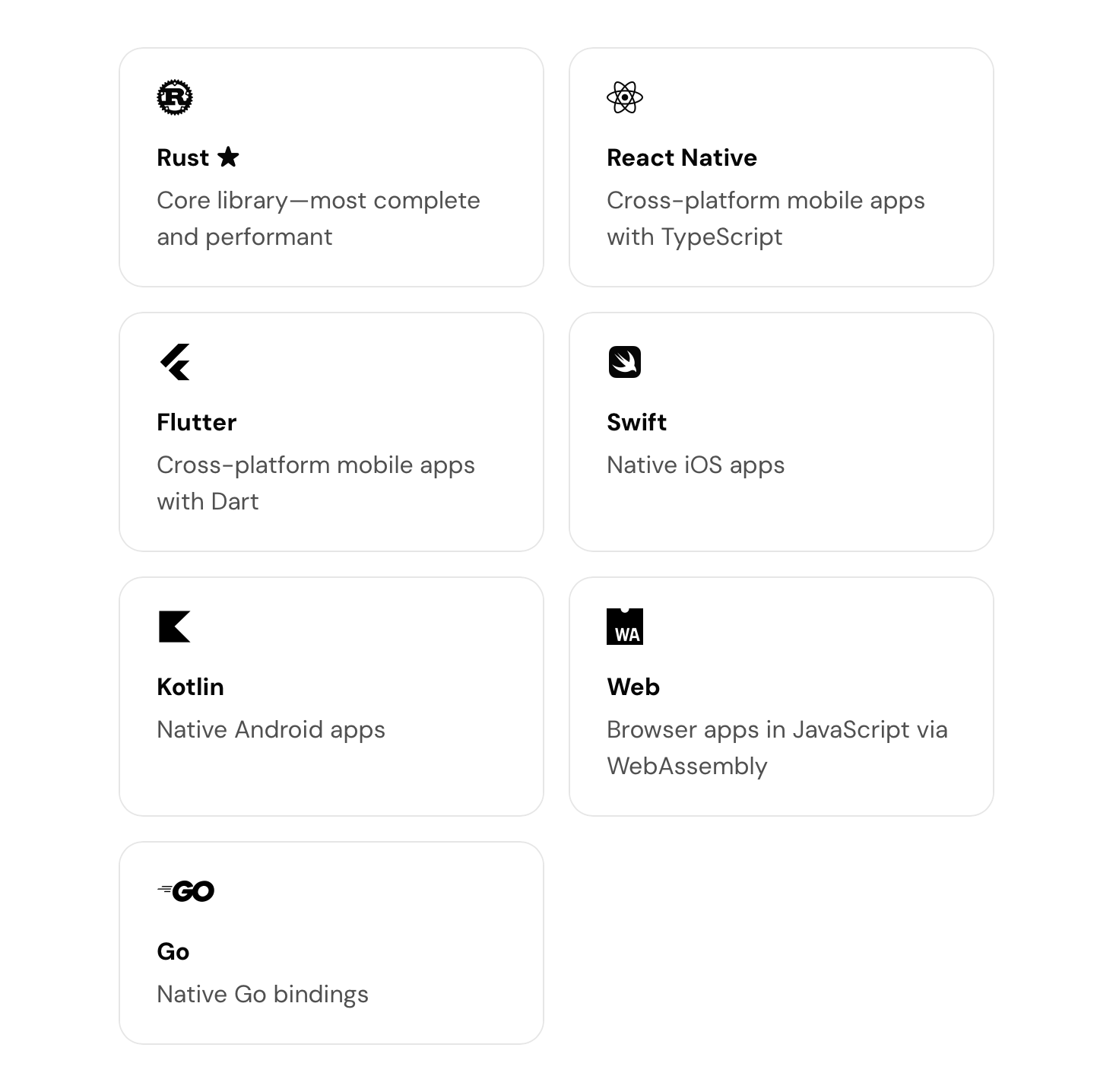
The SDK core is built in Rust, ensuring it’s robust, safe, and easily portable. Language bindings are available for Kotlin, Swift, React Native, Flutter, Go, Python and web (WebAssembly).
Barkd
For servers or other platforms where native programs can be launched, we have Barkd, a standalone wallet daemon that offers all Bark’s features. It exposes a simple REST interface with an OpenAPI spec.
Get hands-on now
We already have a number of apps mainnet-enabled, including third-party integrations plus a couple of apps from our own team. Expect more on these soon:
- Noah: A full-stack mobile Ark wallet, pairing a React Native app with its own Rust backend for account flows and Lightning integration.
- Arké: A design-led native iOS wallet that brings bitcoin.design's open-source UX to life, and forges new ground for Ark-native patterns.
- Satsigner: A Sparrow-style mobile signer with visual UTXO control, full multisig PSBT workflows, and Nostr-based label sync across devices.
- Bark Wallet: An Umbrel app offering all the essential Bark wallet features, supporting Ark, Lightning, and on-chain. Built by Second.
- BTCPay Server plugin: Process self-custodial Lightning payments without needing to open channels or manage liquidity. Built by Second.
We want to give a huge shout-out to the above teams, and others still working on upcoming integrations, both for their amazing work and their early confidence in our product. Without your feedback, Bark would not be where it is today.
Integrate with Bark
Bitcoin is a project close to our team’s hearts and we seriously love supporting other bitcoin builders. If you’re interested in building Bark into your app or service, please get in touch, and follow us on X.
And if you’d like to learn more, see if you can make our AMA on Stacker News in a couple of hours (9th June at 10:00AM EST).