Second Blog

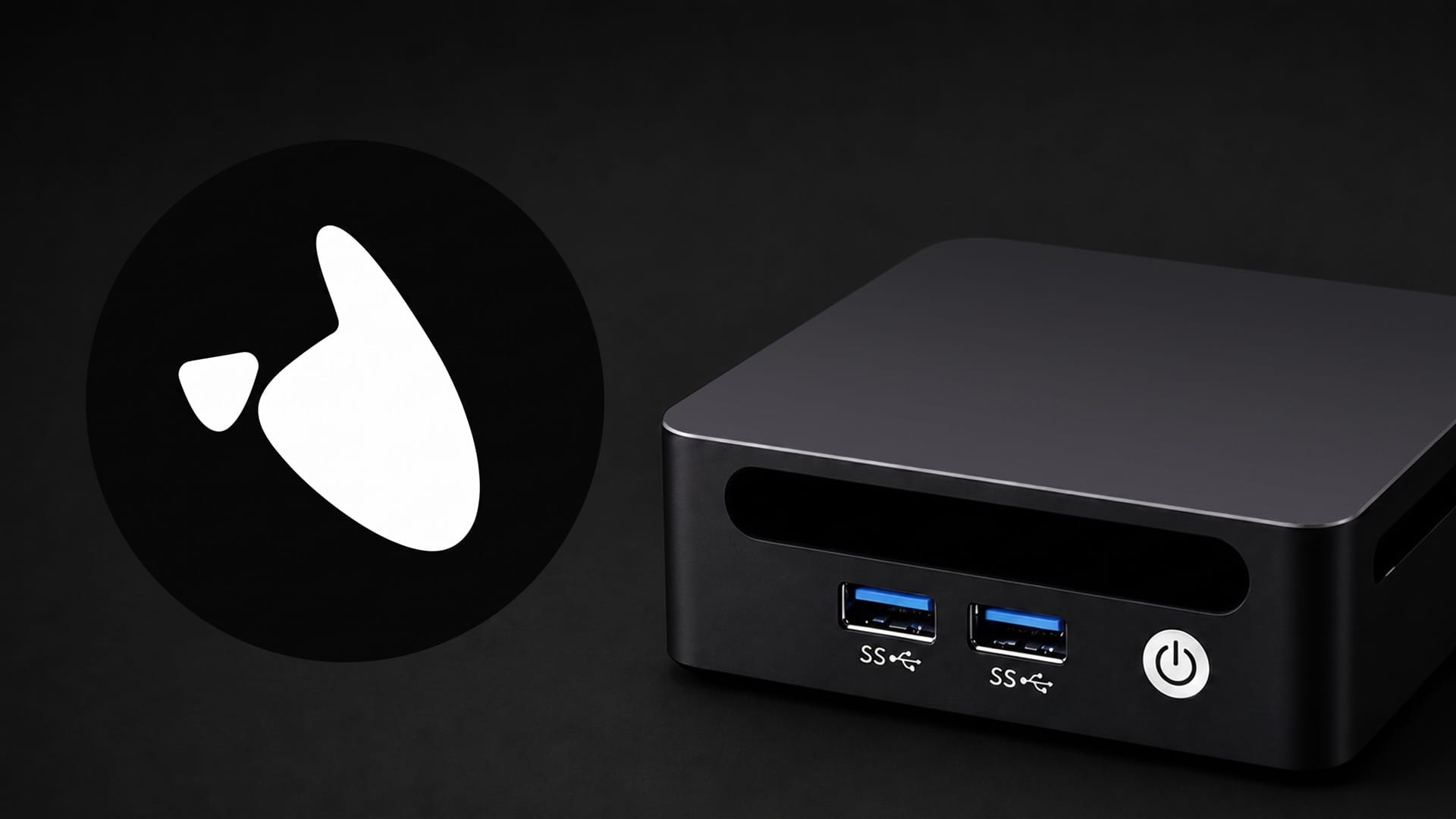
Running Barkd in a TEE: Hardware-protected keys in the cloud

Barkd is what you run when you want to enable bitcoin payments server-side. It's our reference daemon wallet: a single binary that runs alongside your other services and exposes a REST API for sending and receiving Ark, Lightning, and on-chain payments. It's best for exchanges, payment

Fuzzing Bark for server reliability

Ark users are always in control of their bitcoin. They can perform an emergency exit to get back on-chain whenever they need to. But Bark is a client-server system, and users depend on the server to make payments and refresh their VTXOs before expiry. Careful engineering, rigorous code review, and

hArk explained: async forfeits and mobile-friendly refreshes

hArk (hash-lock Ark), first described in a Delving Bitcoin post, and shipped in v0.1.0-beta.6 is an update to our implementation of the Ark protocol that fundamentally changes how rounds are constructed. Forfeits are now dependent on hash-locks instead of connectors, and are signed after the round'

Bark's unified mailbox

We've redesigned how Bark wallets receive updates from the Ark server. The new unified mailbox gives developers a single, efficient feed for all wallet notifications—Lightning payments, Ark payments, and refreshes—instead of requiring separate queries for each address. This simplifies app integrations and scales to high transaction

Second partners with Vora to fund nested MuSig

We're funding a year-long grant for Beulah Evanjalin to implement nested MuSig in libsecp256k1-zkp. This is a joint effort between Beulah, Second, and Vora, with Jesse Posner providing weekly mentorship throughout the project. Nested MuSig is a key dependency for us improving the security of Ark server funds,

Second Blog © 2026